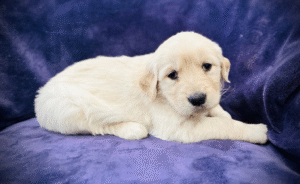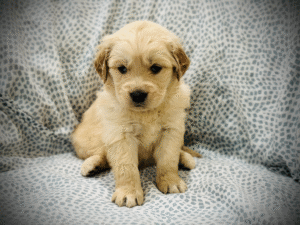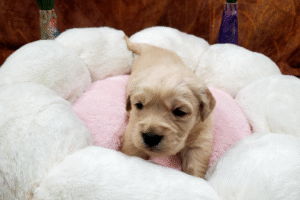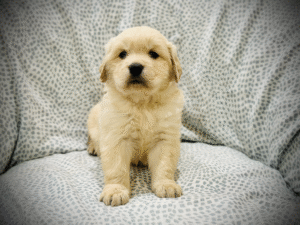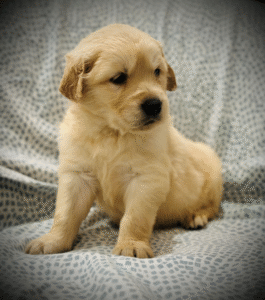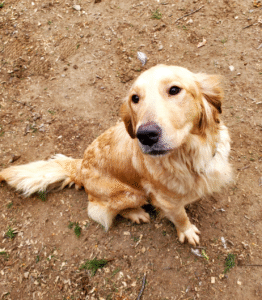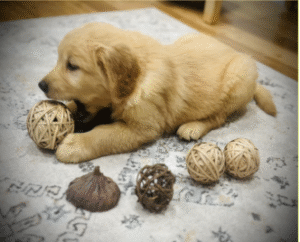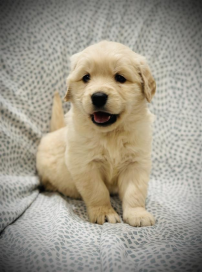
Puppy Teething Toys, Crate Training in a Condo, Golden Retriever puppy toys
By reading this article, you are preparing for your puppy’s arrival and focusing on teething and crate training.
Golden Retriever Puppy Toys
Teething Toys
When teething, puppies naturally reduce pain and the need to explore the world through their mouth. Accumulate safe and tasty chew toys to encourage chewing on the right things!
KONG Puppy Teething Stick
Highly durable and designed specifically for puppies, these rubber, bone-shaped toys will help to soothe their gums.
Nylabone Teething Puppy Chew Bone
Textured and flavored golden retriever puppy toys (probably like chicken) to encourage good chewing habits and help control plaque and tartar.
Chilled Toys
Some people freeze rubber toys, wet wash cloths, or use specially designed teethers to provide cool, calming comfort to swollen gums. One such option is the Petstages Cool Teething Stick.
Rope Toys
These are great to chew on and help support healthy teeth, but should be supervised closely to minimize ingestion of fibers.
KONG Puppy
A versatile, rubber classic that’s gentle enough for puppy teeth. It’s available in several sizes and can be filled with treats and frozen.
Safety Tips for Teething Toys Used by Golden Retriever Puppies
Focus on Safety
Choose toys that are made of food-grade materials that are BPA free and ensure they don’t have small parts that can put puppies at choking risk.
Monitor Playtime
Keep an eye on your puppy during playtime, particularly when they’re teething.
Check and Replace
Inspect your dog’s toys often to ensure they are still safe, and the squeakers are intact to avoid choking hazards. Do not let your pet swallow toy parts.
Take Chew Power Into Account
Pay attention to how your puppy chews and select toys that can withstand pressure but not harm their teeth.
Crate Training and Apartments with Playpens
Using a playpen alongside a crate is a great way to housetrain a puppy in an apartment. This pairing capitalizes on the strengths of each: it establishes a safe environment where beneficial behavioral learning is likely to occur.
Why This Combination Works:
Protection and Containment: Protect your pet and keep him confined in the area where you want him to stay. Cozy Pet playpen will ensure your pet stays safe.
Promotes Alone Time: This configuration helps puppies practice how to be alone, reducing the likelihood of separation syndrome.
Easy to Potty Train: You can create a specific potty area by adding turf or pee pads to this playpen – encouraging your puppy to go inside and use it. As dogs instinctively do not soil where they sleep, the crate encourages this natural behavior in the pen.
Isolation with Social Life: It assists with safely introducing other pets or children in the household.
Safe Place: The kennel provides a comforting shelter and resting place for your puppy.
Tips for Preparing Your Play Pen and Crate for Your Golden Retriever Puppy
Get the Appropriate Size: Check that the crate is spacious enough for your puppy to stand up, turn in a circle, and lay down. The playpen should also provide enough space to move around, play, and have a designated potty area.
Positive Association
Feed meals in the crate, “Pay to Enter” with treats or affection, and provide chew toys.
Slow Introduction
Begin introducing the two spaces slowly at your puppy’s pace, and don’t force them into either at first.
Create A Schedule
Having a predictable schedule for feeding, bathroom breaks, play, and crate time can help your puppy adjust more quickly.
Never Punishment
Always connect the spaces with positive memories, and never use them as disciplinary measures.
Considerations Specific to Apartments
Be Considerate of Neighbors
Train commands like “shush” while providing enough mental stimulation via activities to prevent excessive barking. It may also help to put the playpen in areas that are not as noisy.
Placement & Security
Place the playpen in easy-to-clean locations, and lock it to avoid escape.
Lastly, talking with a professional dog trainer or behaviorist may provide you with advice tailored to you and your golden retriever puppy’s individual situation.